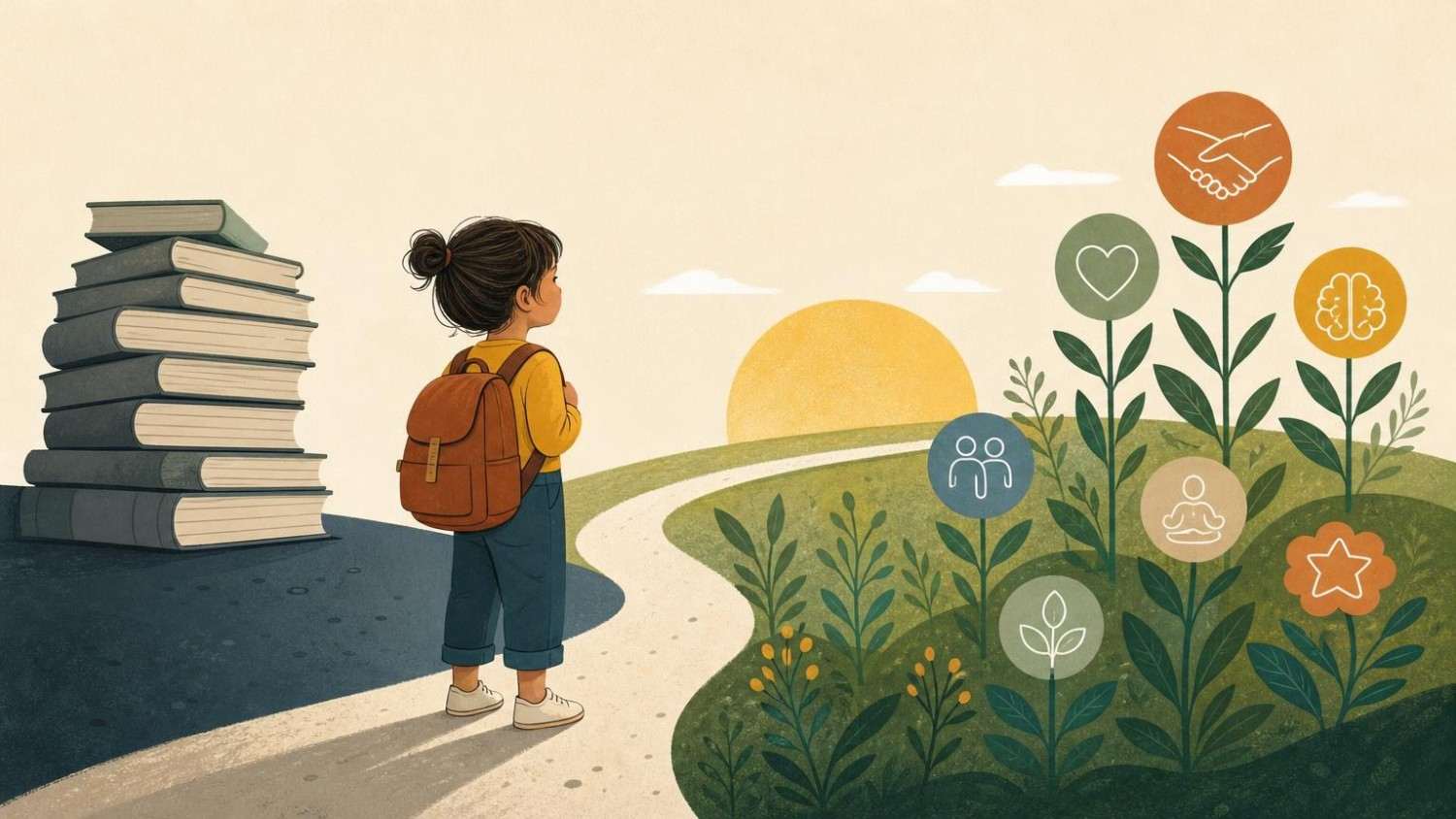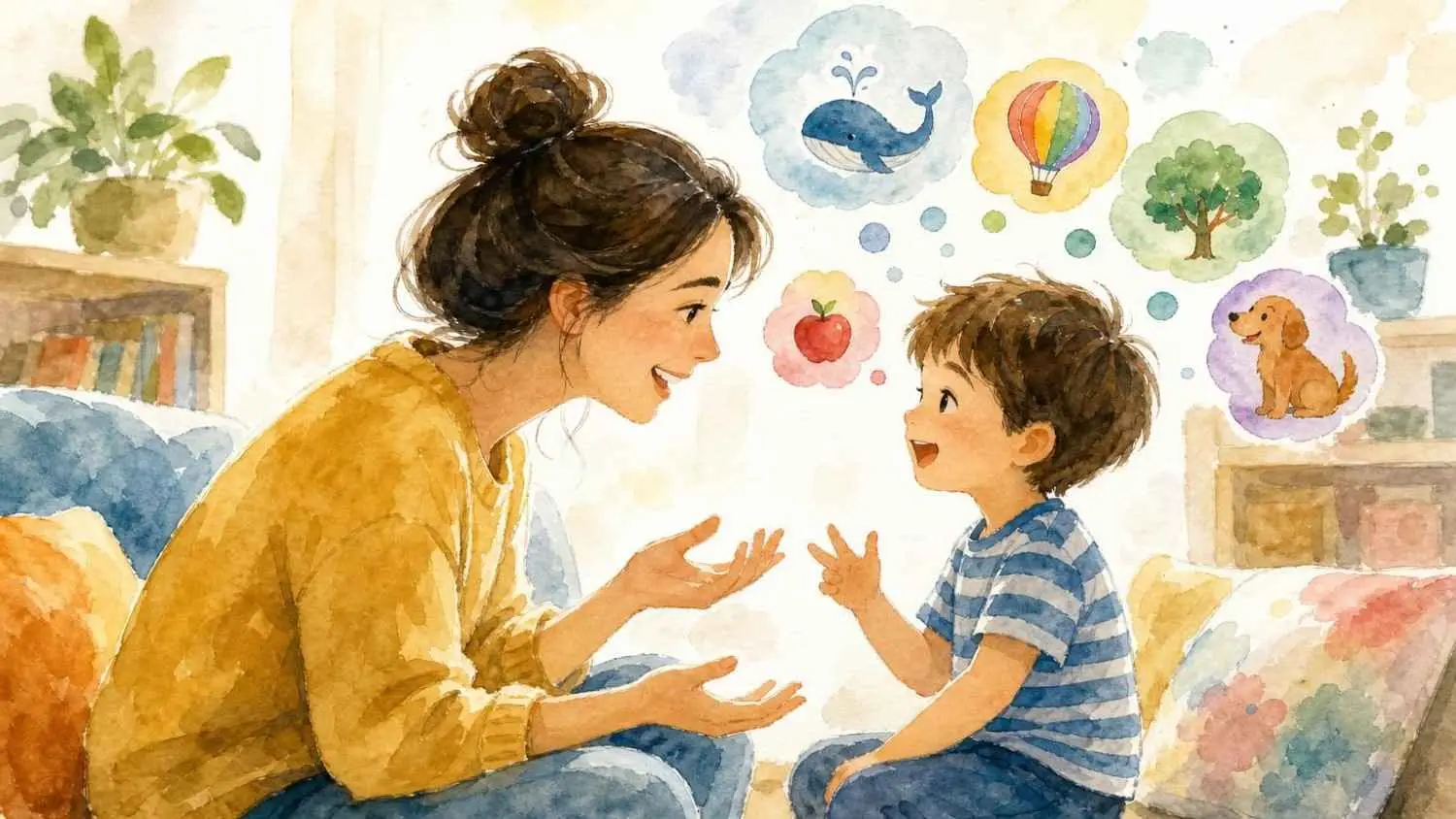

A four-year-old crouches behind a couch cushion fort, whispering battle plans to a stuffed elephant. A group of teenagers shove each other off a dock into a lake, laughing so hard they can barely breathe. A retired engineer spends Saturday mornings building elaborate marble runs with no purpose other than watching the marbles go. These moments look frivolous. They’re not. Decades of research across neuroscience, developmental psychology, and evolutionary biology have revealed that play is one of the most powerful forces shaping the human brain and body.
The science of play shows us why it’s far more than just fun: it’s a biological necessity woven into our survival as a species. And yet, in a culture that increasingly schedules every hour and measures every outcome, play is often the first thing we sacrifice. That’s a mistake with real consequences, not just for children, but for adults too. What follows is a close look at what play actually does to our brains, our bodies, our relationships, and our capacity to thrive across a full lifespan.
Defining the Biological Imperative of Play
Play isn’t something humans invented. It’s ancient, cross-species, and deeply embedded in our biology. When a behavior persists across millions of years of evolution and appears in animals as diverse as ravens, octopuses, and rats, you can bet it serves a critical function. The biological imperative behind play is simple: organisms that play tend to survive better, adapt faster, and reproduce more successfully than those that don’t.
Evolutionary Advantages Across Species
Researchers at the University of Cambridge have documented play behavior in over 1,000 animal species, and the pattern is striking. Young animals that engage in rough-and-tumble play develop better motor coordination, faster reflexes, and stronger social bonds within their groups. Rat pups deprived of play during critical developmental windows grow into adults that struggle to read social cues and respond poorly to novel situations.
The evolutionary logic is straightforward: play is rehearsal without consequence. A lion cub pouncing on its sibling is practicing the exact motor sequence it will need to hunt as an adult, but in a context where failure doesn’t mean starvation. This “safe failure” mechanism allows young organisms to build complex behavioral repertoires without the risks of real-world trial and error. Humans follow the same blueprint. The child playing tag is calibrating spatial awareness, acceleration, and social negotiation all at once.
The Role of Dopamine and Reward Systems
But here’s what’s actually happening at the neurochemical level: play floods the brain with dopamine, the neurotransmitter most associated with motivation, learning, and reward. This isn’t incidental. The dopamine release during play essentially tells the brain, “This activity matters. Remember it. Do it again.”
Research from Vanderbilt University’s neuroscience program has shown that dopamine doesn’t just make play feel good: it actively strengthens the neural pathways being used during the activity. Think of it like compound interest for the brain. Every time a child builds a block tower and knocks it down, the circuits governing cause-and-effect reasoning, fine motor control, and spatial planning get reinforced. Pleasure isn’t a side effect. It’s the mechanism that ensures the learning sticks.
Neuroplasticity and Cognitive Development
The human brain isn’t finished at birth. It’s a work in progress that continues developing well into the mid-twenties, and play is one of the primary architects of that development. The connection between play and neuroplasticity, the brain’s ability to reorganize itself by forming new neural connections, is one of the most well-documented findings in developmental neuroscience.
Building the Prefrontal Cortex
The prefrontal cortex is the brain region responsible for planning, impulse control, working memory, and flexible thinking. It’s also one of the last regions to fully mature, typically not reaching full development until around age 25. Play, particularly unstructured free play, is one of the most effective stimuli for building this region.
When a child decides the floor is lava and must figure out how to cross the living room using only couch cushions, they’re exercising executive function: holding rules in working memory, inhibiting the impulse to just walk normally, and flexibly adapting their strategy when a cushion slides. Researcher Adele Diamond at the University of British Columbia has found that these kinds of playful challenges can be more effective at building prefrontal cortex function than formal cognitive training programs. One common mistake parents and educators make is replacing free play with structured “educational” activities, assuming the latter is more productive. The research says otherwise.
Enhancing Problem-Solving and Divergent Thinking
Convergent thinking finds the single correct answer. Divergent thinking generates multiple possible solutions. Play trains the second kind, which happens to be the foundation of creativity and innovation. A 2024 longitudinal study tracking children from ages 5 to 15 found that those with the most unstructured play time scored 34% higher on measures of divergent thinking compared to peers whose free time was predominantly structured.
The mechanism makes sense when you think about it. A child turning a cardboard box into a spaceship, a restaurant, and then a time machine within a single afternoon is practicing rapid cognitive flexibility. They’re generating hypotheses, testing them socially with playmates, discarding what doesn’t work, and iterating. That’s essentially the scientific method, wrapped in imagination and executed without any adult telling them to do it.
Social Connectivity and Emotional Intelligence
Humans are social animals, and the skills required to function within complex social groups don’t emerge automatically. They’re practiced, refined, and internalized through thousands of hours of social play. The playground is, in many ways, the first laboratory for emotional intelligence.
Learning Cooperation and Conflict Resolution
Watch a group of six-year-olds trying to organize a game of capture the flag. Within minutes, you’ll see negotiation, rule-making, alliance-building, betrayal, conflict, and resolution. These micro-dramas are the training ground for adult social competence.
Developmental psychologist Laura Berk’s work at Illinois State University has demonstrated that children who engage in regular cooperative play develop stronger theory of mind: the ability to understand that other people have thoughts, feelings, and perspectives different from their own. This isn’t a trivial skill. Deficits in theory of mind are associated with difficulties in relationships, workplace collaboration, and even ethical reasoning later in life.
Instead of intervening the moment children argue during play, try stepping back and letting them work through the conflict themselves. The resolution process, messy as it often is, builds neural circuitry for emotional regulation and perspective-taking that no adult lecture can replicate.
The Development of Empathy through Roleplay
When a child pretends to be a doctor caring for a sick teddy bear, they’re doing something cognitively sophisticated: they’re inhabiting another person’s emotional experience. This isn’t random imagination. It’s the individuation process in action, the developmental work of understanding where “self” ends and “other” begins.
Roleplay requires a child to model someone else’s internal state, predict how that person would feel and respond, and then act accordingly. Research published in the journal Developmental Psychology in 2025 found that children who engaged in frequent pretend play showed measurably higher empathy scores by age eight, with the effect persisting into adolescence. The child playing “house” or “school” is essentially running emotional simulations, building a library of social scripts they’ll draw on for the rest of their lives.

The Physical Impact: Motor Skills and Stress Regulation
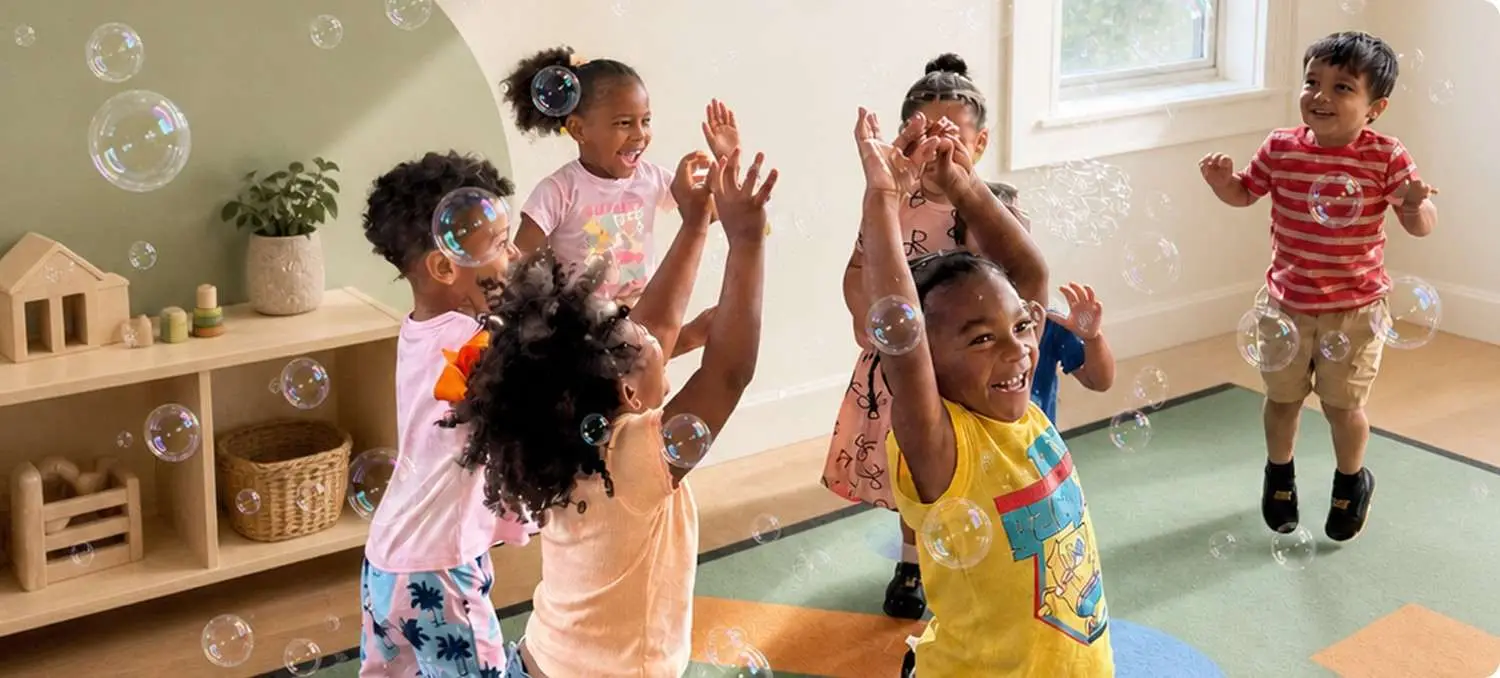
The benefits of play extend well beyond the brain. The body itself is shaped, calibrated, and protected by physical play in ways that structured exercise programs often can’t match.
Proprioception and Sensory Integration
Proprioception, your body’s ability to sense its own position and movement in space, is largely developed through physical play. Climbing trees, spinning until dizzy, jumping off things, rolling down hills: these activities train the vestibular and proprioceptive systems that allow a person to move through the world with coordination and confidence.
Occupational therapists have noted a concerning trend over the past decade: an increase in children presenting with sensory processing difficulties that correlate with decreased outdoor and physical play. A child who has spent thousands of hours running on uneven terrain, balancing on logs, and wrestling with friends has a fundamentally different sensory profile than one whose physical activity has been limited to flat surfaces and structured sports. The unstructured, unpredictable nature of free physical play is precisely what makes it so effective at building sensory integration. You can’t replicate the sensory complexity of climbing a tree on a standardized piece of playground equipment.
Play as a Buffer Against Toxic Stress
Chronic stress in childhood, what researchers call “toxic stress,” can alter brain architecture, suppress immune function, and increase the risk of cardiovascular disease, depression, and anxiety disorders in adulthood. Play acts as a direct neurobiological buffer against these effects.
During play, the brain releases endorphins and endocannabinoids alongside dopamine, creating a neurochemical cocktail that actively counteracts the stress hormone cortisol. A 2025 meta-analysis from the American Psychological Association found that children with regular access to free play showed cortisol levels 22% lower than peers with equivalent stress exposure but limited play opportunities. Think of play as a preventative investment in stress resilience rather than a corrective intervention applied after damage is done. The child who plays regularly isn’t just having fun: they’re building a physiological buffer that will serve them for decades.
Adult Play: Reclaiming Creativity and Mental Health
Here’s where the conversation usually stops. Most discussions about the science behind play focus exclusively on children, as if play’s utility expires at age 18. This is wrong. The adult brain benefits from play through the same mechanisms: dopamine release, neuroplasticity stimulation, stress hormone reduction, and social bonding. The only difference is that adults have been culturally trained to feel guilty about it.
Combating Burnout in the Modern Workplace
Burnout rates in 2026 remain near historic highs, with roughly 44% of workers globally reporting burnout symptoms according to Gallup’s most recent data. The standard corporate response: wellness programs, meditation apps, and resilience training: treats symptoms without addressing a root cause. Humans need play. Not “team-building exercises” that feel like work with a thin veneer of fun, but genuine, voluntary, intrinsically motivated play.
Companies that have experimented with genuine play integration report measurable results. A software company in Helsinki that introduced optional two-hour “play blocks” twice weekly, where employees could do anything non-work-related, from board games to improv comedy, saw a 19% increase in self-reported creative output and a 27% decrease in turnover over 18 months. The key word is “optional.” The moment play becomes mandatory or performance-linked, it stops being played.
Instead of scheduling another productivity seminar, try blocking time for genuine unstructured activity. Pick up a musical instrument. Play a sport badly. Build something with your hands that has no professional purpose. The cognitive refresh that follows is not a break from productive work: it’s the engine that makes productive work possible.
The Link Between Playfulness and Longevity
This isn’t metaphorical. Playful adults live longer. A study published in Psychosomatic Medicine tracked over 7,000 adults for 20 years and found that those who scored highest on measures of playfulness, defined as a tendency toward spontaneity, humor, and creative engagement, had a 14% lower all-cause mortality rate after controlling for exercise, diet, socioeconomic status, and other confounding variables.
The mechanism likely involves multiple pathways. Playful people tend to maintain stronger social connections, which is itself one of the strongest predictors of longevity. They experience lower chronic inflammation. They report higher life satisfaction and lower rates of depression. Play isn’t a luxury for adults: it’s a form of resource maintenance for the brain and body, similar to how regular oil changes prevent engine failure. You can skip it for a while and feel fine. But the cumulative cost of play deprivation compounds over years.
Cultivating a Play-Rich Environment for the Future
The evidence is overwhelming: play is a biological necessity that shapes cognitive development, emotional intelligence, physical health, social competence, and even lifespan. And yet, children’s free play time has declined by an estimated 25% since 2000, while adult leisure time increasingly gravitates toward passive consumption rather than active, playful engagement.
Reversing this trend doesn’t require massive institutional change. It starts with small, deliberate choices:
- Give children unstructured time without screens, schedules, or adult-directed activities. Boredom is the launchpad for creative play.
- Resist the urge to turn every play experience into a “learning opportunity.” The learning is already happening. Adding explicit instruction often undermines it.
- As an adult, identify one playful activity you genuinely enjoy and protect time for it weekly. Treat it with the same seriousness you’d give a doctor’s appointment.
- Create physical environments that invite play: messy art supplies left accessible, open spaces for movement, objects that can be repurposed and reimagined.
Understanding why play matters so much, why it’s genuinely more than just fun, should change how we structure our days, our schools, our workplaces, and our homes. The science here isn’t ambiguous or preliminary. It’s decades deep and remarkably consistent across disciplines. Play builds better brains, healthier bodies, and more resilient humans. The only real question is whether we’ll take that evidence seriously enough to act on it.