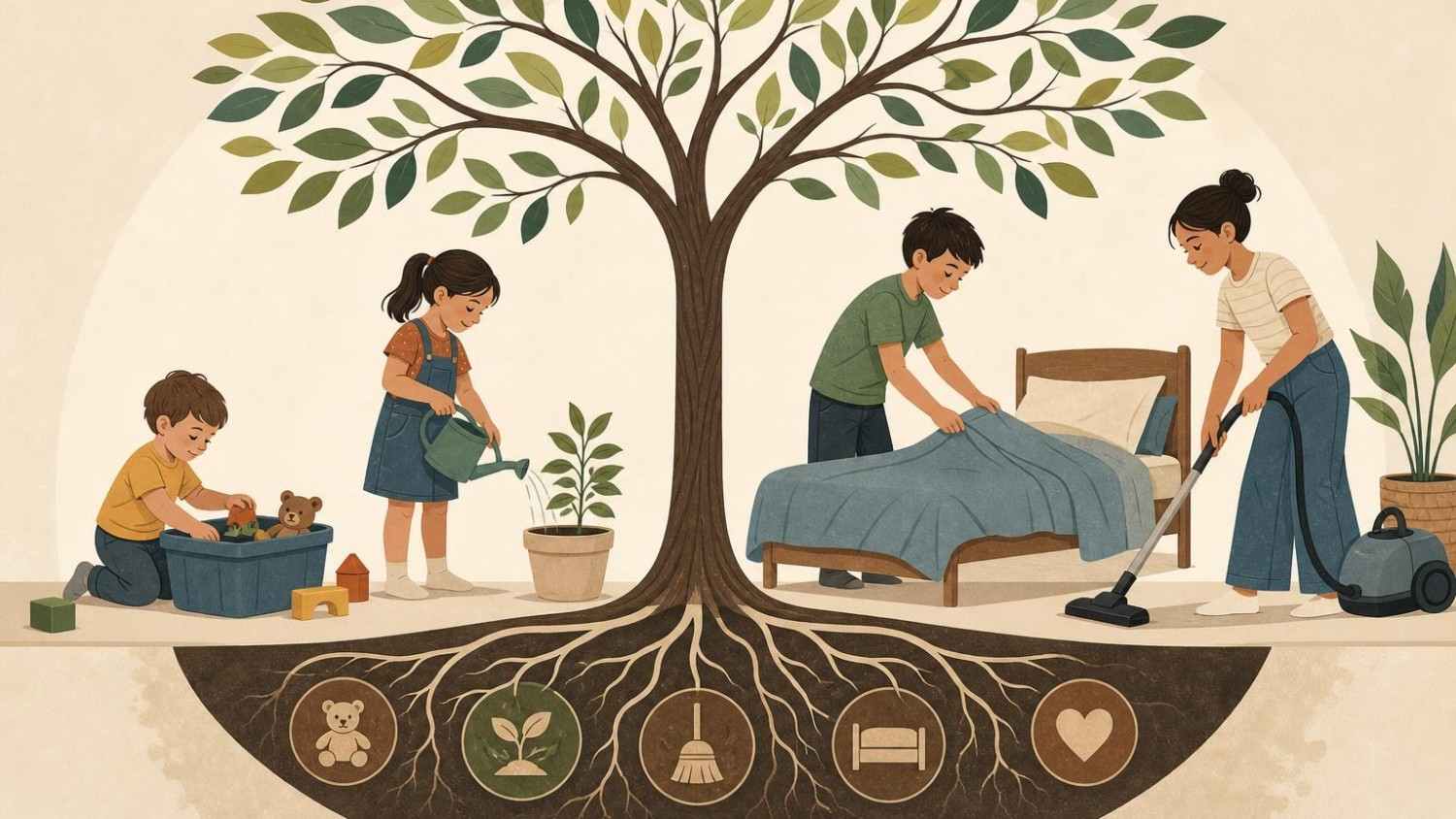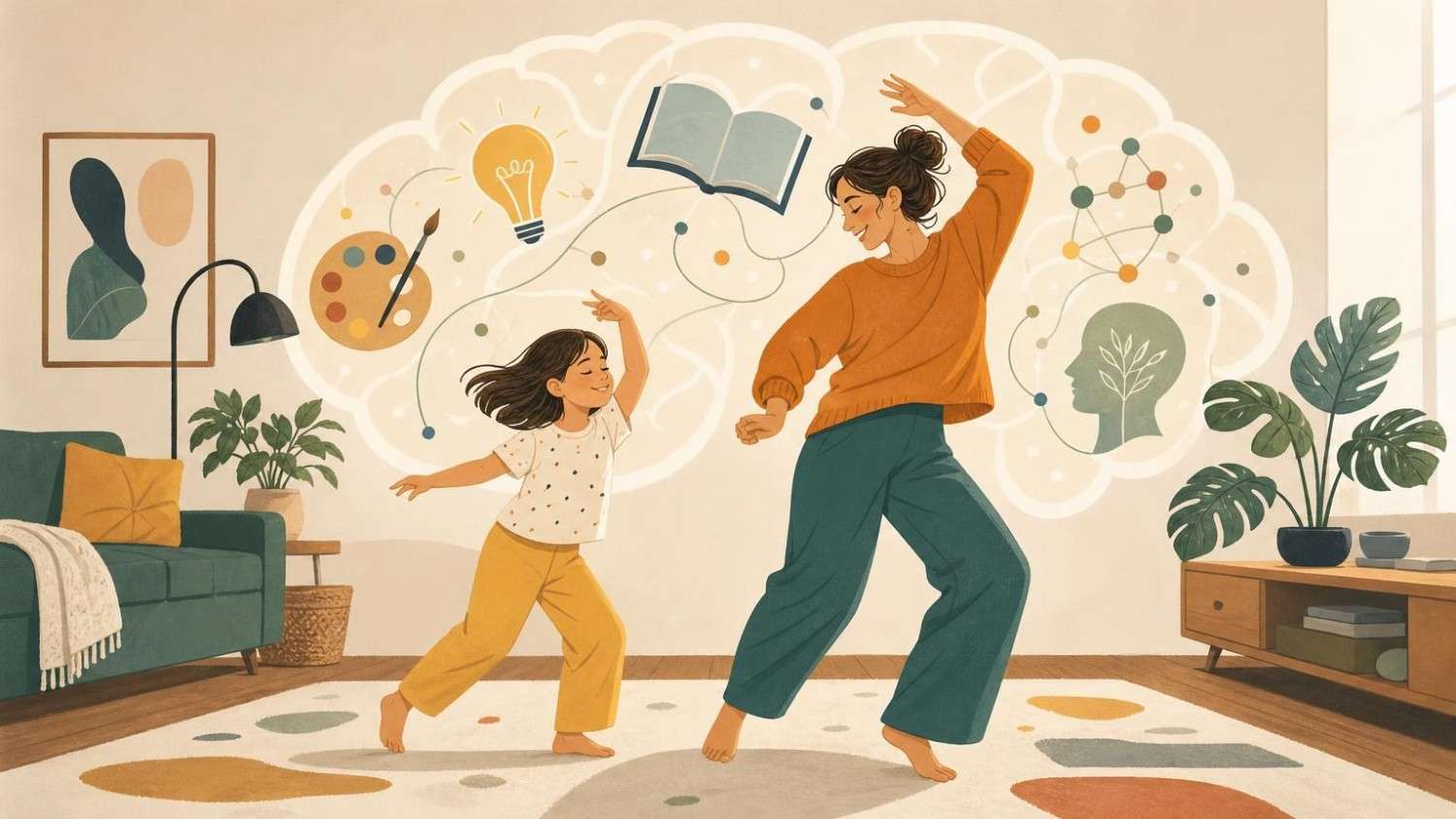
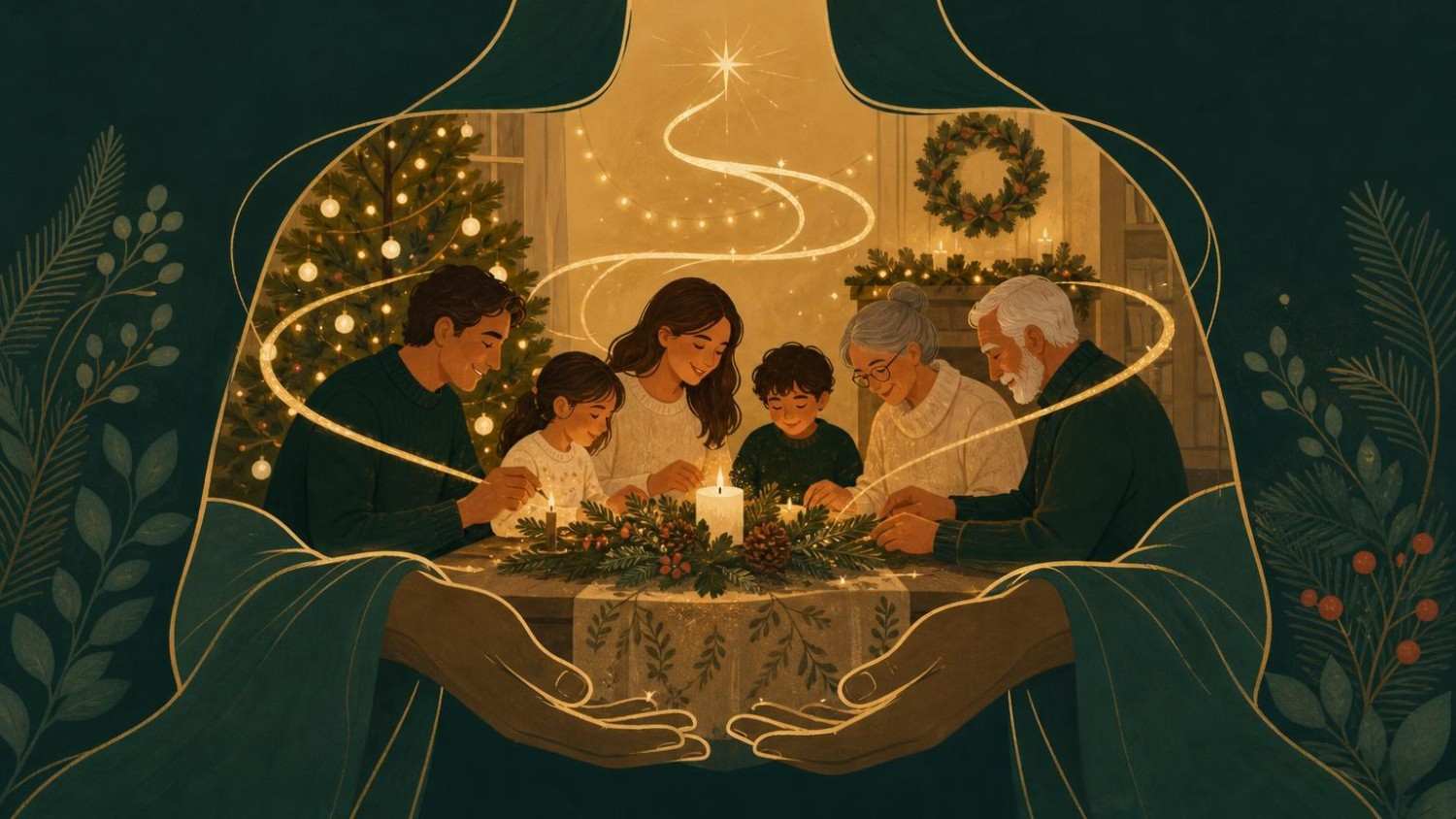
Every December, millions of households repeat small, oddly specific acts without thinking twice. Someone burns the first pancake on purpose. A grandmother reads the same battered picture book aloud even though the “kids” are now in their thirties. A family drives the same loop past the same overdone light displays, ranking them from a crumpled scorecard.
From the outside, these moments look trivial. From the inside, they often turn out to be the parts people remember decades later, long after the gifts are forgotten. That gap between how small a ritual looks and how much it carries is what makes family traditions so interesting. It’s also why it pays to be deliberate about which ones you keep, which ones you drop, and which ones you start this year.
The Psychology of Shared Traditions
The secret power of family rituals during the holidays isn’t mystical. It comes down to how human brains handle meaning, memory, and uncertainty. Researchers have studied this for decades. Barbara Fiese, a psychologist who has spent much of her career at Syracuse University and the University of Illinois, draws a useful distinction: routines are about getting things done, while rituals are about communicating “this is who we are.”
That distinction explains why skipping a routine is an inconvenience, but skipping a ritual can feel like a small loss. When a tradition breaks, people aren’t upset about the missing activity. They’re reacting to a missing signal of belonging.
Creating Emotional Anchors in a Chaotic World
Think of a ritual as a fixed point on a map. Jobs change, kids move away, someone gets sick, the family dog dies. The tradition of making tamales together on December 23rd stays put. It gives everyone a place to stand while the rest of life shifts underneath them.
This is especially true for children. A kid who knows that every Christmas Eve means pajamas, cocoa, and one present opened early has something solid to hold onto. Even in a year when parents divorce or the family relocates across the country, that small predictable moment says the important things still hold.
The Neurological Impact of Predictable Celebrations
But here’s what’s actually happening under the surface. Brains are prediction machines, and uncertainty is metabolically expensive. When an event unfolds the way we expect, the stress response quiets down and attention frees up for connection instead of vigilance.
Repetition also strengthens memory. Each year’s version of the ritual layers on top of the last, creating a kind of emotional compound interest. The tenth time you hang that lopsided clay ornament your son made in kindergarten, you’re not just hanging an ornament. You’re replaying ten years of memories in a few seconds.

Strengthening the Generational Bridge
Holidays are one of the few times when three or even four generations end up in the same room for hours. That’s rare, and rituals give those hours structure. Without them, grandparents and teenagers often drift to separate corners: one group in the kitchen, the other on their phones.
A shared task changes that. Rolling out cookie dough, assembling a nativity set, or setting the table with the “good” dishes gives people of different ages something to do with their hands while they talk. Conversation flows more easily side by side than face to face, which is why some of the best family stories get told over a sink full of dishes.
Transmitting Values Through Storytelling and Action
At Emory University, Marshall Duke and Robyn Fivush developed a “Do You Know?” scale asking children questions like where their grandparents grew up or what happened when they were born. Their research found that kids who knew more of their family’s history tended to show greater resilience and a stronger sense of control over their lives.
The mechanism makes sense when you think about it. Stories about relatives who struggled and kept going give children a narrative: our family has hard times, and we get through them. Holiday rituals are a natural delivery system for those stories. Try these approaches:
- Attach a story to an object. When the menorah comes out, tell where it came from and who used it before.
- Let the ritual teach the value. A family that volunteers at a food bank every December doesn’t need to lecture about generosity.
- Invite the elders to narrate. Ask a grandparent to explain why the family always eats a particular dish, then actually listen.
Transforming Routine into Sacred Ritual
Most families already have the raw material for meaningful traditions. They just haven’t noticed it yet. The Saturday morning drive to buy a tree, the order in which stockings are opened, the playlist that always comes on while cooking: these can stay as background routines or be elevated into something with weight.
The difference usually comes down to attention and intention. Elevating a routine doesn’t require candles or speeches. It often just means naming it, protecting it, and doing it on purpose.
The Difference Between Habits and Meaningful Traditions
A habit is something you do. A tradition is something that means something. Brushing your teeth is a habit. Brushing your teeth alongside your five-year-old while you both make ridiculous faces in the mirror every night starts to become a ritual, because it carries emotional content beyond the task.
One common mistake is assuming bigger means better. Families sometimes pile on elaborate traditions, a matching-pajama photo shoot, three cookie varieties, a gingerbread competition, and an advent calendar with daily activities, then burn out by December 10th. That’s a mistake. The traditions that last are usually simple enough to survive a bad year.
A practical test: if you can’t imagine doing it when someone has the flu and money is tight, it’s probably too complicated to become a true anchor. Pick three or four core rituals and do them reliably. Consistency with a few basics beats an exhausting checklist that collapses halfway through the season.
Rituals as a Buffer Against Holiday Stress
It sounds contradictory, since the holidays themselves are a major source of stress. Travel, money, packed schedules, and complicated family dynamics all spike in the same few weeks. So how can traditions reduce stress rather than add to it?
The answer is that good rituals cut down on decisions. When everyone knows that Thanksgiving dinner is at 3 p.m., that Uncle Ray carves, and that the after-dinner walk happens rain or shine, nobody has to negotiate. Fewer choices mean less friction and fewer chances for an argument about who’s doing what.
Rituals also give tense gatherings a script. If you have a relative who reliably steers conversation toward politics, a structured activity like a gratitude round, a board game, or a group puzzle provides a natural redirect. The tradition carries the room when individual willpower runs low.
It helps to treat these rituals as a preventative investment rather than an emergency fix. Families that build calm, predictable traditions in easy years have something to fall back on in hard ones. A family facing its first holiday after a loss, for example, often finds that keeping one familiar ritual, such as lighting a candle for the person who’s gone, makes the day bearable in a way that improvising never could.
Watch for one trap: rigidity. If a tradition becomes a source of guilt or obligation (“We’ve always driven six hours to Aunt Linda’s, so we have to”), it stops buffering stress and starts creating it. Rituals should serve the family, not the other way around.
Modern Adaptations for Evolving Families
Families in 2026 look different than they did a generation ago. Blended households split holidays between two or three homes. Adult children live across time zones. Interfaith couples merge Hanukkah, Christmas, Diwali, or Lunar New Year traditions. Some people celebrate mainly with their chosen family rather than relatives.
None of this weakens the case for rituals. If anything, it strengthens it. When the logistics are complicated, a few portable traditions become the thread that ties everything together. A divorced dad who always makes cinnamon rolls with his kids on whatever day he has them is creating a tradition that doesn’t depend on the calendar.
The key is flexibility about the form while staying faithful to the meaning. Christmas can happen on December 27th. The Thanksgiving gratitude ritual can happen over video. What matters is that the family recognizes it as theirs.
Incorporating Technology Without Losing Connection
Screens get blamed for ruining family time, sometimes fairly. But technology can also extend rituals to people who’d otherwise miss them. A few approaches that work:
- Schedule a recurring video call around a shared activity, like decorating cookies “together” in separate kitchens or opening one gift each on camera.
- Build a shared digital album where every family member adds holiday photos each year, creating a running archive.
- Record elders telling family stories so the narratives survive even when the storytellers can’t attend.
- Set a phone basket rule for the main meal so devices support the gathering rather than compete with it.
The test is simple: does the tech bring people toward each other or pull them away? Use the first kind generously and fence off the second.
Designing New Traditions for Lasting Impact
You don’t need a century of history to have a meaningful tradition. Every ritual started with someone doing something once and then deciding to do it again. If your family’s holidays feel flat, this is the season to start something.
Here’s a simple framework for building traditions that stick:
- Start from a value, not an activity. Decide what you want the holidays to say about your family (generosity, playfulness, faith, togetherness), then choose a ritual that expresses it.
- Keep it small and repeatable. A ten-minute ritual done every year beats a three-hour event you’ll abandon by year two.
- Give everyone a role. Kids who light the candle or pick the first song feel ownership.
- Add a distinctive detail. The burnt-pancake-first rule or a family-specific toast makes it unmistakably yours.
Then track whether it’s working. That might sound clinical, but a light check-in helps you decide what to keep. A few useful measures:
- Anticipation: Do family members mention the ritual or ask about it before the holidays arrive?
- Participation: Do people show up willingly, or do you have to drag them?
- Stress level: On a simple 1 to 10 scale, how frazzled does the host feel the day after?
- Memory test: In January, ask everyone their favorite moment of the season. If the ritual keeps coming up, it’s earning its place.
Run this informally for two or three years before deciding. New traditions often feel awkward the first time and natural by the third.
The Long-Term Legacy of Holiday Belonging
The real payoff of these traditions shows up years later, often in ways nobody planned. A grown daughter starts making her grandmother’s soup in her own kitchen. A son who rolled his eyes at the annual family photo frames them all on his hallway wall. The rituals become an inheritance that costs nothing and holds its value.
That’s the hidden strength of holiday rituals: they turn ordinary acts into proof of belonging. They calm stressed brains, connect generations through stories, and give families something steady to return to when life gets messy. And they don’t need to be elaborate. Three or four simple traditions, protected and repeated, will outlast any pile of presents.
So pick one this year. Revive a tradition you’ve let slide, or start a brand-new one tonight. Write it on the calendar, tell your family it’s happening, and then show up for it next year too. That second time is where tradition actually begins.