
Most parenting advice arrives as a flood of contradictions: flashcards or no flashcards, praise or no praise, schedules or freedom. Ask people who spend their careers studying young children, though, and you’ll hear a short list of lessons repeated again and again. Those lessons are the core of what early childhood experts wish every parent knew, and most of them are simpler than the internet suggests.
None of them require expensive programs or perfect execution. They require a shift in how you see ordinary moments: a tantrum at the grocery store, a rainy afternoon with nothing planned, a toddler insisting on wearing rain boots in July. Here’s what researchers and educators keep coming back to, and why it matters more than the latest developmental toy.
The Transformative Power of Unstructured Play
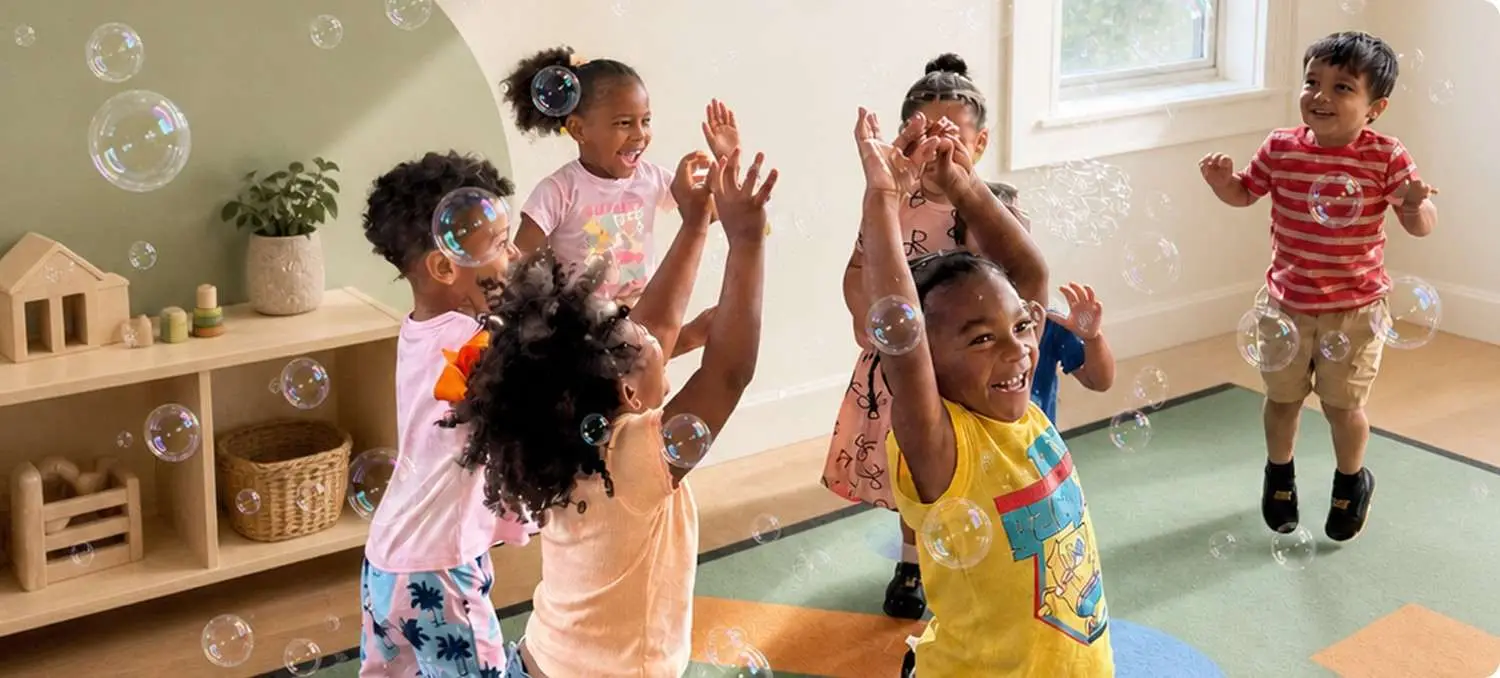
A four-year-old turning a cardboard box into a spaceship is doing serious work. She’s planning, negotiating roles with a sibling, solving problems (“the door keeps falling off”), and holding a story in her head. Psychologist Peter Gray at Boston College has spent years arguing that this kind of self-directed play builds the exact skills adults later wish children had: creativity, resilience, and the ability to cooperate without a referee.
One common mistake is assuming that more structured activities mean more learning. A week packed with swim lessons, music class, and enrichment programs can crowd out the free time where children practice running their own minds. Structured activities aren’t bad, but they answer the question “what should I do?” for the child. Free play forces children to answer it themselves.
What counts as unstructured play is simpler than many parents think:
- Open-ended materials: blocks, sticks, fabric scraps, boxes, play dough
- Child-led scenarios: playing house, store, or monsters with no adult script
- Outdoor wandering: a backyard, park, or patch of woods with time to explore
- Rough-and-tumble play: wrestling and chasing, which helps kids learn physical limits and read social cues
Your job during free play is mostly to stay nearby and resist the urge to direct. If you catch yourself saying “Why don’t you build a tower instead?”, step back. The messy, meandering version is the valuable one.
Emotional Regulation as a Foundation for Learning
A child who is flooded with frustration can’t learn letters, share toys, or follow instructions. This isn’t defiance. When a young child is overwhelmed, the brain’s stress response takes priority, and the parts responsible for reasoning and impulse control go offline. Canadian researcher Stuart Shanker, whose work on self-regulation has shaped classrooms worldwide, describes many “behavior problems” as stress problems in disguise.
That’s why experts increasingly view emotional regulation as the foundation for academic success rather than a separate skill. A calm, regulated child can pay attention. A dysregulated one is simply trying to survive the moment.
Co-Regulation Before Self-Regulation
Parents often expect toddlers to calm themselves down, but self-regulation doesn’t appear on its own. Children borrow calm from the adults around them first. When you lower your voice, slow your breathing, and get down to your child’s eye level during a meltdown, your nervous system is effectively lending stability to theirs.
Think of it like teaching someone to ride a bike with your hand on the seat. Over thousands of repetitions, children internalize the patterns you model. Psychologist Laura Berk’s research on private speech shows that kids eventually talk themselves through challenges using language they first heard from caregivers. The “Let’s take a big breath” you say at age three becomes the voice in their own head at age seven.
The Science of Validating Big Feelings
Picture a three-year-old sobbing because her sandwich was cut into squares instead of triangles. The instinct is to say “That’s silly, it’s the same sandwich.” But here’s what’s actually happening: she doesn’t yet have the tools to process disappointment, and dismissing the feeling doesn’t make it disappear. It just teaches her that her feelings are wrong.
Validation sounds like “You really wanted triangles. That’s so disappointing.” You’re not agreeing that squares are a tragedy, and you don’t have to remake the sandwich. Naming an emotion helps children connect a confusing internal experience to a word, which over time makes the feeling more manageable. Feelings that are acknowledged tend to pass faster than feelings that are fought.

Prioritizing Connection Over Academic Readiness
Many parents feel pressure to get children reading before kindergarten, drilling sight words at the kitchen table. Ask educators what makes a child ready for school, though, and they rarely mention reading level. They talk about a child who can separate from a parent without panic, ask a teacher for help, wait a turn, and recover from small setbacks.
Those skills grow from secure relationships. Decades of attachment research, building on work by John Bowlby and Mary Ainsworth, show that children who trust their caregivers explore more boldly. A secure base at home is what gives a child the confidence to try new things elsewhere.
Connection doesn’t require grand gestures. It looks like ten minutes of floor time where your phone is in another room. It looks like narrating your errands together, reading the same dinosaur book for the fortieth time, or asking “What was the silliest part of your day?” at bedtime. Think of these moments as compound interest: each small deposit seems minor, but over years they build something substantial.
Ironically, this approach also supports literacy. Children who hear rich, back-and-forth conversation build vocabulary far more effectively than children drilled with flashcards. Talking with your child, not just at them, is one of the most effective school-readiness strategies there is.
Why Boredom is Essential for Brain Development
“I’m bored” is one of the most dreaded phrases in parenting, and many of us rush to fix it with a tablet, an activity, or a suggestion. Experts wish parents would sit with it a little longer. Boredom is uncomfortable, and that discomfort is what pushes a child to generate their own ideas.
This isn’t random. When external stimulation drops away, the brain shifts into a more reflective, imaginative mode. A child staring out the window on a slow Saturday might be the same child who, twenty minutes later, has built an elaborate fort and invented a backstory for every stuffed animal. Constant entertainment short-circuits that process before it starts.
That’s a mistake many well-meaning parents make: treating boredom as a problem to be solved instead of a space to be filled by the child. Screens are especially effective at eliminating boredom, which is exactly why they can crowd out creative thinking when used as the default response.
Try this the next time you hear the complaint. Say something neutral like “Hmm, I wonder what you’ll come up with,” and go back to what you were doing. Expect protest for the first few minutes. Over weeks, most children get faster at moving from complaining to creating, and that self-starting ability serves them for life.
The Critical Role of Consistent Routines
Children don’t need elaborate schedules. They need a few dependable anchors. A morning that always includes breakfast, getting dressed, and a goodbye ritual. An evening that always moves through bath, pajamas, books, and lights out. Experts consistently favor simple routines over complex ones, because consistency with three or four basics beats a perfect twelve-step plan you abandon by Wednesday.
Predictability and the Developing Nervous System
The mechanism makes sense when you think about it. Young children have very little control over their lives, and they can’t read clocks or calendars. Routines give them a way to anticipate what comes next, which reduces the low-level stress of constant uncertainty. When a child knows that bath always comes before books, there’s less to resist and less to negotiate.
This is why transitions are often where meltdowns happen. Leaving the playground abruptly feels like a shock; leaving after a five-minute warning and a “last slide” ritual feels manageable. Think of routines as a preventative investment rather than a corrective tool. Building them during calm periods pays off during hard ones.
To see whether your routine is working, track a few simple signals for two to three weeks:
- Sleep onset time: how long it takes your child to fall asleep after lights out
- Transition friction: how many daily handoffs (leaving the house, starting bath) end in tears
- Morning mood: a quick 1-to-5 rating of how your child seems on waking
- Night wakings: how often sleep is interrupted
Patterns will tell you more than any single bad day. If bedtime battles drop after a week of a consistent wind-down, you have your answer.
Redefining Discipline as Skill Building
The word discipline comes from the Latin for “teaching,” and experts wish more parents treated it that way. A child who hits a sibling over a toy isn’t a bad kid who needs to suffer. They’re a kid who hasn’t yet learned how to handle frustration, wait, or ask for a turn.
When you view misbehavior as a skill gap, your response changes. Instead of asking “How do I make them stop?”, you ask “What do they need to learn, and how can I teach it?” A child who grabs might need practice saying “My turn next.” A child who melts down at bedtime might need more warning and a clearer routine.
Natural Consequences vs. Punishment
Punishment is something imposed from outside that has no logical connection to the behavior, like losing dessert for not putting on shoes. Natural consequences flow directly from the choice itself. If a child refuses to wear a coat, they feel cold. If they throw a toy, the toy goes away for a while because throwing makes it unsafe.
Here’s a slice-of-life example. Your five-year-old insists on wearing sandals to the park in autumn. Rather than a power struggle, you let them, perhaps tucking sneakers in your bag. After ten minutes of chilly toes, they ask for the sneakers. No lecture required: they learned something real. Natural consequences only work when they’re safe, of course, so never let a child experience consequences involving traffic, water, or genuine danger.
Fostering Independence Through Managed Risk
Watch a toddler climb a playground structure and you’ll see parents hovering, hands outstretched, calling “Be careful!” every few seconds. Researchers who study risky play, including Ellen Sandseter at Queen Maud University College in Norway, argue that this constant protection can backfire. Children who never test their limits don’t learn where those limits are.
Managed risk means allowing challenges with a reasonable chance of minor bumps but low odds of serious injury. Climbing a tree, using a child-safe knife to cut a banana, pouring their own milk, or walking ahead on a familiar path all qualify. Spilled milk is a small price for a child who learns to judge how heavy a full jug is.
A few practical shifts help:
- Replace “Be careful” with specific prompts. Try “Where will you put your foot next?” so your child thinks instead of freezing.
- Let them struggle briefly. Wait thirty seconds before helping with a zipper or puzzle.
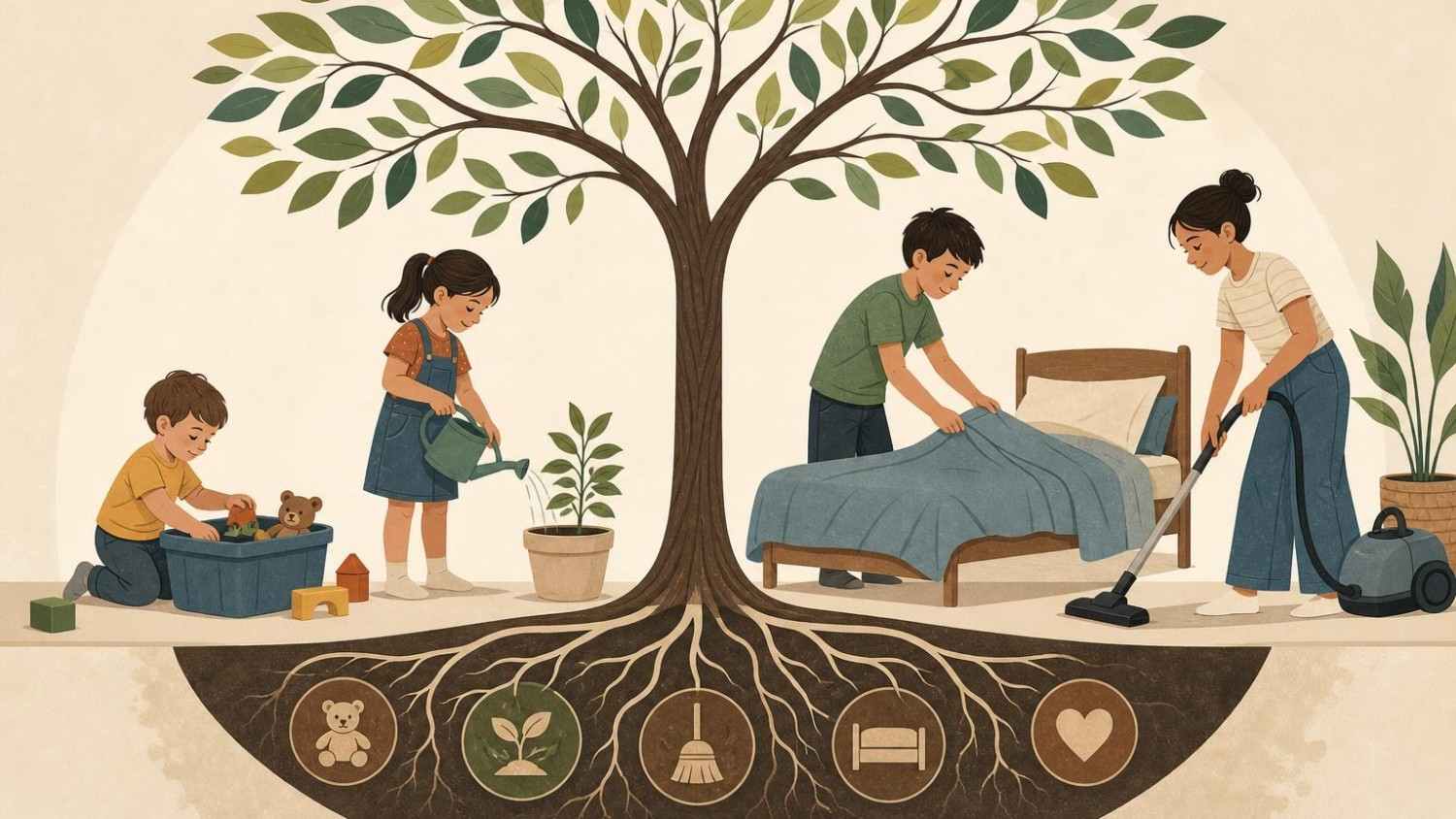
- Assign real jobs. Toddlers can sort laundry, water plants, and set out napkins.
- Stay close but quiet. Your presence is a safety net; your commentary isn’t always needed.
Independence built in small daily moments becomes confidence that carries into school and friendships.
Sustainable Parenting and the Myth of Perfection
Pediatrician and psychoanalyst Donald Winnicott coined the phrase “good enough mother” decades ago, and it remains one of the most reassuring ideas in child development. Children don’t need flawless parents. They need parents who are reliably present, who make mistakes, and who repair them.
Research by Ed Tronick at Harvard on parent-infant interaction found that mismatched moments between parents and babies are common, even in healthy relationships. What matters is repair: noticing the disconnect and reconnecting. When you snap at your child and later say “I’m sorry I yelled. I was frustrated, and that wasn’t fair to you,” you’re modeling accountability and showing that relationships survive conflict.
The pursuit of perfection is exhausting, and exhausted parents have less patience. Trying to follow every guideline perfectly often produces the very stress that makes calm parenting harder.
Self-Care as a Developmental Necessity
Remember co-regulation? Your child borrows calm from you, which means your own nervous system is part of their developmental environment. A parent running on four hours of sleep and constant overwhelm simply has less calm to lend. Self-care isn’t indulgent; it’s resource maintenance for the person doing the most important job in the house.
This doesn’t mean spa days. It means protecting a few essentials: enough sleep, a short daily break, a friend you can text when things are hard, and permission to let some things slide. Frozen dinners and a messy living room won’t harm your child. A depleted, resentful parent might.
None of these lessons demand more money, more gadgets, or more hours. They ask you to trust play, welcome boredom, keep routines simple, teach rather than punish, and let your child take small risks. Above all, they ask you to stay connected and to treat your own wellbeing as part of the package.
If there’s one thread running through the insights early childhood experts wish every parent knew, it’s this: the ordinary moments are the curriculum. The bedtime story, the repaired argument, the afternoon with nothing planned. Pick one idea from this list, try it for two weeks, and watch what changes. You don’t need to be perfect. You just need to keep showing up.